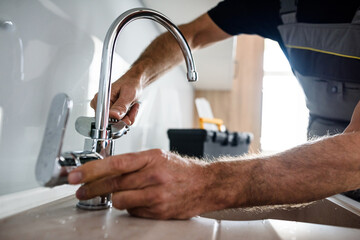
Plumbing Repair

Understanding Plumbing Repair and Why It Is Essential for Every Home

Plumbing Repair

Plumbing repair is a fundamental part of maintaining a safe, comfortable, and functional home. Plumbing systems deliver clean water, remove waste, and support everyday activities such as bathing, cooking, and cleaning.

When something goes wrong, even a small plumbing issue can quickly disrupt daily life and cause costly damage if ignored. Understanding how plumbing repair works and why it matters helps homeowners respond quickly and make informed decisions when problems arise. Contact your local Plumbers Arvada to learn more.

Common Plumbing Problems That Require Repair

Plumbing systems experience wear and tear over time, making repairs inevitable. Leaky faucets are among the most common issues and often result from worn washers or seals. While a dripping faucet may seem minor, it can waste significant amounts of water and increase utility bills.

Clogged drains are another frequent problem. Hair, grease, soap residue, and food particles can build up inside pipes, restricting water flow. Toilets that run continuously, pipes that make unusual noises, and low water pressure are also signs that plumbing repair may be needed.

Recognizing these common problems early allows for faster repairs and prevents more serious complications.

Plumbing Leaks and Water Damage Risks

Plumbing leaks are one of the most damaging issues a home can face. Leaks can occur in visible fixtures such as sinks and toilets or hidden within walls, floors, or ceilings. Even small leaks can lead to mold growth, structural damage, and costly repairs over time.

Signs of hidden leaks include water stains, damp smells, peeling paint, or unexplained increases in water bills. Plumbing repair focused on leak detection and sealing is essential to protect the home’s structure and indoor air quality.

Addressing leaks promptly reduces the risk of long term damage and preserves the integrity of the plumbing system.

Drain and Sewer Line Repair Considerations

Drain and sewer line issues require special attention because they affect waste removal and sanitation. Slow draining sinks, gurgling sounds, and unpleasant odors can indicate deeper problems within the drainage system.

In more severe cases, sewer line damage can cause backups that affect multiple fixtures. These issues may result from tree root intrusion, pipe corrosion, or shifting soil. Plumbing repair in these situations often involves inspection and targeted solutions to restore proper flow.

Maintaining healthy drain and sewer lines is critical for hygiene and household safety.

Pipe Repair and Replacement Needs

Pipes are the backbone of the plumbing system, and damage to them can disrupt water delivery and drainage. Pipe repair may be necessary due to corrosion, freezing temperatures, or physical damage.

Older homes may have outdated piping materials that deteriorate over time. In some cases, repairing a section of pipe is sufficient. In others, partial or full pipe replacement may be recommended to prevent recurring issues.

Understanding the condition of pipes helps homeowners plan for repairs and avoid unexpected failures.

Plumbing Repair for Fixtures and Appliances

Plumbing fixtures and appliances play a major role in daily convenience. Sinks, toilets, showers, water heaters, and washing machines rely on proper plumbing connections to function correctly.

Plumbing repair for fixtures may involve replacing seals, valves, or internal components. Appliances such as water heaters may require repairs related to heating elements, pressure relief valves, or sediment buildup.

Proper fixture and appliance repair ensures efficient operation and extends the lifespan of household systems.

Water Pressure Problems and Their Causes

Low or inconsistent water pressure is a common concern that often requires plumbing repair. Pressure issues may be caused by mineral buildup in pipes, leaks, faulty pressure regulators, or problems with the water supply line.

High water pressure can also be problematic, putting stress on pipes and fixtures. This can lead to leaks or premature wear. Plumbing repair may involve adjusting pressure regulators or addressing underlying causes.

Balanced water pressure improves comfort and protects plumbing components.

Emergency Plumbing Repair Situations

Some plumbing problems require immediate attention to prevent damage or health risks. Burst pipes, overflowing toilets, and major leaks are considered plumbing emergencies.

Emergency plumbing repair focuses on stopping water flow, minimizing damage, and restoring essential services. Quick response is critical in these situations to reduce repair costs and prevent further complications.

Being prepared to handle plumbing emergencies helps homeowners act decisively when problems arise.

The Plumbing Repair Process Explained

Plumbing repair typically begins with an inspection to identify the source of the problem. Plumbers assess fixtures, pipes, and connections to determine the cause and extent of damage.

Once the issue is diagnosed, the appropriate repair method is chosen. This may involve replacing parts, sealing leaks, clearing blockages, or installing new components. After repairs are completed, the system is tested to ensure proper function.

A thorough repair process ensures long lasting results and reduces the likelihood of repeat issues.

Professional Plumbing Repair Versus DIY Fixes

Some homeowners attempt minor plumbing repairs on their own, such as replacing faucet washers or clearing simple clogs. While basic maintenance tasks can be manageable, many plumbing repairs require professional expertise.

Improper repairs can worsen problems, cause water damage, or create safety hazards. Professional plumbers have the tools, training, and experience to diagnose issues accurately and perform repairs according to codes and standards.

Knowing when to seek professional plumbing repair protects the home and ensures reliable outcomes.

Preventive Maintenance and Plumbing Repair

Preventive maintenance plays a key role in reducing the need for major plumbing repairs. Regular inspections, drain cleaning, and fixture maintenance help identify small issues before they escalate.

Simple habits such as avoiding grease disposal in drains, monitoring water pressure, and addressing minor leaks promptly contribute to plumbing system health. Preventive plumbing care saves money and reduces unexpected disruptions.

Maintenance focused plumbing repair supports long term system performance.

Plumbing Repair and Home Health

Plumbing systems directly impact home health and safety. Leaks and moisture can promote mold growth, while sewer issues can introduce harmful bacteria. Clean water supply and proper waste removal are essential for healthy living.

Plumbing repair ensures water quality, sanitation, and indoor comfort. Addressing issues promptly protects occupants and maintains a safe environment.

Healthy plumbing supports overall quality of life within the home.

Cost Factors in Plumbing Repair

The cost of plumbing repair varies based on the type of issue, location, and complexity of the work. Minor repairs such as fixing leaks or replacing parts are generally affordable, while extensive pipe or sewer repairs may require greater investment.

Early intervention often reduces costs by preventing more severe damage. Understanding pricing factors helps homeowners budget and prioritize repairs.

Investing in quality plumbing repair offers long term savings and peace of mind.

Signs It Is Time to Schedule Plumbing Repair

Certain warning signs indicate the need for plumbing repair. Persistent leaks, slow drains, water discoloration, foul odors, and unusual noises should not be ignored.

Sudden changes in water pressure or temperature may also signal underlying problems. Regular monitoring of plumbing performance helps catch issues early.

Responding to these signs promptly prevents larger complications.

Plumbing Repair and Property Value

Well maintained plumbing systems contribute positively to property value. Buyers are more confident in homes with reliable plumbing and documented repairs.

Plumbing repair improves functionality and reduces the risk of future issues. This supports smoother real estate transactions and protects long term investment.

Proper plumbing care enhances both comfort and resale potential.

Safety Considerations During Plumbing Repair

Plumbing repair involves working with water, pressure, and sometimes gas or electricity. Safety precautions are essential to prevent accidents.

Professional plumbers follow safety protocols and use appropriate tools. Homeowners should avoid attempting repairs that involve complex systems or potential hazards.

Prioritizing safety ensures repairs are completed without risk.

Long Term Benefits of Timely Plumbing Repair

Timely plumbing repair offers lasting benefits. It prevents water damage, improves efficiency, and extends the life of plumbing systems. Reliable plumbing supports daily routines and reduces stress.

Proactive repair strategies minimize emergencies and unexpected expenses. Over time, consistent maintenance and repair contribute to a more resilient home.

Plumbing repair is an investment in stability and comfort.

Final Thoughts on Plumbing Repair

Plumbing repair is an essential aspect of home maintenance that protects structure, health, and daily convenience. From fixing leaks and clearing drains to addressing pipe and fixture issues, timely repairs prevent small problems from becoming major concerns.

Understanding common plumbing issues and the repair process empowers homeowners to act quickly and wisely. With proper care, professional support, and preventive maintenance, plumbing repair ensures a safe, efficient, and comfortable living environment for years to come.
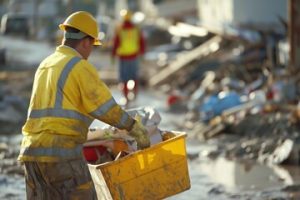
Water Damage Restoration

Disaster Cleanup Services: Restoring Safety, Stability, and Peace of Mind

Disasters can strike without warning, leaving homes, businesses, and communities in disarray. From severe storms and flooding to fires and accidental chemical spills, the aftermath of a disaster can be overwhelming for property owners. Beyond the visible damage, disaster events often pose hidden hazards, such as mold growth, structural instability, and contaminated air or water. In these situations, professional disaster cleanup services are essential—not only to restore property but to ensure the safety of occupants and prevent long-term consequences. Unlike general cleaning or maintenance, disaster cleanup requires specialized skills, advanced equipment, and an understanding of safety protocols, making professional intervention critical for effective recovery.

One of the most significant challenges after a disaster is the scale and complexity of the cleanup required. Residential or commercial properties affected by floodwaters, fires, or other catastrophic events often face extensive structural damage, saturated materials, and hazardous debris. Attempting to manage this alone can be dangerous, time-consuming, and potentially counterproductive. Utah Disaster Cleanup professionals bring specialized tools, from industrial-grade water extraction units and air movers to controlled demolition equipment and air filtration systems. These resources allow for a rapid, thorough response that addresses immediate safety concerns while setting the stage for long-term restoration.

disaster cleanup

The first and most crucial step in disaster cleanup is safety assessment. After an event, properties may present numerous hazards, including weakened structures, exposed electrical wiring, contaminated water, or chemical residues. A trained cleanup team evaluates the entire site to identify risks, prioritize urgent interventions, and create a structured plan for remediation. This step ensures that both cleanup personnel and occupants are protected from harm and that further damage is prevented during the restoration process. In commercial settings, this assessment also helps businesses determine which areas can remain operational and which require temporary closure, minimizing disruption wherever possible.

Water damage and flooding are among the most common reasons businesses and homeowners call disaster cleanup services. Floodwaters can infiltrate walls, flooring, and ceilings, creating conditions conducive to mold and bacterial growth. Swift water removal and drying are essential to prevent secondary damage and to restore a safe environment. High-capacity pumps, dehumidifiers, and moisture monitoring tools allow professionals to address even deep saturation in commercial and residential spaces. In addition to immediate extraction, disaster cleanup teams often apply antimicrobial treatments to inhibit mold growth and disinfect affected areas, ensuring a thorough and lasting restoration.

Fire and smoke damage present another complex challenge for disaster cleanup professionals. Fire can compromise structural integrity, while smoke leaves behind residue and odors that penetrate walls, carpets, and ventilation systems. Cleanup efforts typically involve debris removal, soot and smoke extraction, surface cleaning, and odor neutralization. Advanced methods, such as thermal fogging and ozone treatments, are used to address embedded odors and restore indoor air quality. In commercial properties, mitigating smoke damage is particularly important, as lingering odors or compromised air systems can affect employee health and productivity, as well as customer perceptions.

Mold remediation is a critical component of disaster cleanup. Following water-related incidents, mold can develop rapidly, spreading through walls, ceilings, and HVAC systems. Exposure to mold spores can cause respiratory issues, allergic reactions, and long-term health problems, making professional remediation essential. Trained disaster cleanup teams contain affected areas, remove contaminated materials, and apply specialized treatments to prevent recurrence. By addressing mold promptly, property owners protect both the health of occupants and the structural integrity of the building.

Disaster cleanup services also focus on minimizing disruption and supporting rapid recovery. In commercial environments, prolonged downtime can lead to significant financial losses and operational setbacks. Professional teams often coordinate cleanup in phases, allowing businesses to resume operations in unaffected areas while restoration continues in damaged sections. This approach balances safety, efficiency, and continuity, enabling organizations to maintain service to clients, reduce revenue loss, and rebuild with minimal interruption.

Enumerating the primary advantages of professional disaster cleanup highlights the critical value it provides:

  1. Safety Assurance – Professionals identify and address hazards, ensuring the property is safe for occupants and staff.
  2. Comprehensive Damage Mitigation – Water, fire, smoke, and chemical hazards are treated with specialized equipment and methods.
  3. Health Protection – Mold, bacteria, and contaminants are removed to protect long-term health.
  4. Efficient Recovery – Timely response minimizes structural damage, financial loss, and operational downtime.
  5. Long-Term Restoration Support – Cleanup services often include coordination with reconstruction teams for complete property recovery.

Another key aspect of disaster cleanup is environmental and regulatory compliance. Certain types of disasters—such as chemical spills or sewage backups—require strict adherence to environmental safety standards and disposal regulations. Licensed cleanup professionals are trained to handle hazardous materials appropriately, ensuring that contaminated debris and wastewater are safely removed and disposed of. This not only protects the property and its occupants but also shields businesses from potential legal and regulatory consequences.

In addition to immediate cleanup, disaster recovery plans often include preventive strategies to reduce vulnerability to future events. These can include improving drainage systems, reinforcing structural elements, installing water detection sensors, or upgrading fire suppression and alarm systems. By combining responsive cleanup with preventive measures, property owners and business managers can enhance resilience, reduce the likelihood of repeated losses, and maintain operational continuity in the face of future challenges.

Communication and transparency are essential throughout the disaster cleanup process. Professional teams typically maintain detailed records of assessments, remediation activities, and restoration progress. For businesses, this documentation is valuable for insurance claims, compliance purposes, and internal reporting. Clear communication ensures that property owners understand the scope of damage, the steps being taken for restoration, and the estimated timeline for recovery, reducing stress and providing confidence that the situation is being managed effectively.

Disaster cleanup is not just about removing water, soot, or debris—it is about restoring stability, safety, and peace of mind. Property owners often face emotional and financial strain after a disaster, and professional cleanup teams provide support by addressing both visible and hidden damage efficiently. In doing so, they help people and organizations regain control of their environments, protect investments, and move forward with confidence.

The role of technology in disaster cleanup has grown significantly in recent years. Moisture detection sensors, thermal imaging cameras, air scrubbers, and automated drying equipment allow teams to assess damage more accurately, track progress, and ensure that remediation is thorough. Advanced chemical treatments and antimicrobial solutions improve the safety and durability of restored spaces. By leveraging technology, disaster cleanup professionals can achieve faster, more effective results while minimizing disruption and reducing the risk of recurring problems.

For commercial properties, disaster cleanup often involves coordinating with multiple stakeholders, including employees, management, contractors, and insurance providers. Experienced restoration teams facilitate this coordination, ensuring that cleanup, documentation, and repair efforts are aligned. This collaborative approach streamlines the recovery process, prevents miscommunication, and helps businesses resume operations as efficiently as possible. Additionally, the presence of trained professionals can reduce stress for property managers and owners, as the responsibility for complex remediation tasks is handled by experts who understand best practices and safety requirements.

Ultimately, disaster cleanup services serve as a bridge between immediate response and long-term recovery. They address urgent safety hazards, prevent secondary damage, and create conditions for efficient rebuilding and restoration. By investing in professional cleanup, property owners protect their assets, safeguard health, and maintain business continuity even in the face of unpredictable disasters. These services are a critical component of modern property management, offering not only technical expertise but also reassurance during challenging and stressful events.

In conclusion, disaster cleanup services are indispensable for both residential and commercial properties affected by water, fire, smoke, mold, or chemical incidents. Professional intervention ensures rapid, safe, and thorough remediation, minimizing the impact of disasters on property, finances, and occupants. By leveraging specialized tools, industry knowledge, and structured recovery protocols, cleanup professionals restore safety, stability, and functionality to damaged environments. Beyond immediate recovery, these services also support preventive strategies, health protection, and operational continuity, demonstrating that effective disaster management is both a practical and strategic investment.

For businesses and homeowners alike, the value of professional disaster cleanup lies in the combination of speed, expertise, and comprehensive care. These services reduce risks, accelerate recovery, and allow property owners to regain control of their spaces with confidence. Whether dealing with flooding, fires, mold, or hazardous debris, professional disaster cleanup provides the knowledge, equipment, and methodology necessary to restore properties efficiently and safely, ensuring long-term peace of mind and stability in the aftermath of unexpected events.