Pressure Washing

Beyond Clean Surfaces: How Strategic Pressure Washing Supports Preventive Property Care

Pressure washing is often seen as a finishing touch — something done to make a property look fresh before an event or after months of neglect. However, a more strategic perspective reveals that professional Pressure Washing Services play a powerful role in preventative property care. Instead of reacting to visible dirt or stains, forward-thinking property owners use pressure washing as part of a long-term maintenance strategy designed to protect materials, reduce repair costs, and maintain consistent performance across exterior spaces.

pressure washing

Modern maintenance philosophies emphasize prevention rather than correction. Exterior surfaces endure constant exposure to moisture, pollutants, and environmental debris, which gradually weaken structural integrity. Pressure washing, when planned thoughtfully, becomes a proactive solution that removes harmful buildup before it accelerates deterioration. This approach transforms pressure washing from a cosmetic service into a practical investment that preserves both function and value.

The Shift From Reactive Cleaning to Preventive Maintenance

Many property owners wait until surfaces appear visibly dirty before scheduling cleaning. While this may seem efficient, reactive maintenance often allows contaminants to penetrate deeper into materials. Mold, algae, and grime can settle into porous surfaces like wood and concrete, causing long-term damage that requires more than simple cleaning to resolve.

A preventative approach focuses on consistency rather than urgency. Regular pressure washing helps maintain surface health by removing buildup early, reducing stress on materials, and preventing small issues from becoming major repairs. Instead of seeing pressure washing as an occasional task, property owners begin to view it as part of a larger maintenance routine similar to inspections or seasonal upkeep.

Preventive care also helps maintain a predictable maintenance schedule. When cleaning occurs regularly, surfaces remain in better condition and require less aggressive treatment. This balanced approach reduces wear while delivering consistent visual results.

Understanding How Contaminants Affect Exterior Materials

Exterior surfaces may appear strong, but many are surprisingly vulnerable to environmental factors. Dust particles, pollen, and pollutants form layers that trap moisture against walls, decks, and walkways. Over time, this trapped moisture encourages organic growth that slowly weakens structural components.

Pressure washing removes these contaminants before they cause irreversible damage. Concrete surfaces, for example, can develop cracks when dirt and moisture settle into tiny openings. Wood decks may experience discoloration or rot when algae and mildew remain untreated. Even durable siding materials can fade or deteriorate when coated with pollutants.

Recognizing how contaminants interact with materials helps property owners understand why consistent cleaning matters. Pressure washing is not simply about restoring brightness; it protects surfaces by preventing buildup that interferes with natural durability.

Strategic Cleaning Zones That Require Extra Attention

One of the most effective ways to approach preventative pressure washing is by identifying high-risk areas where buildup occurs more quickly. These zones often include shaded spaces, high-traffic walkways, and surfaces exposed to constant moisture.

Key areas that benefit from strategic cleaning include:

  1. Entryways and walkways where dirt accumulates through daily use.
  2. Decks and patios that retain moisture and develop slippery surfaces.
  3. Exterior walls and siding are exposed to pollutants and environmental residue.
  4. Driveways and parking areas where oil stains and debris collect over time.

Focusing on these areas ensures that cleaning efforts provide maximum impact. By targeting zones that experience the most wear, property owners can maintain safety and prevent deterioration more effectively.

How Pressure Washing Reduces Long-Term Repair Costs

One of the strongest arguments for preventative pressure washing is its role in controlling maintenance expenses. When contaminants remain on surfaces for extended periods, they accelerate wear and increase the likelihood of structural damage. Repairs involving wood replacement, repainting, or resurfacing can be costly and time-consuming.

Regular cleaning helps extend the lifespan of exterior materials by maintaining their original condition. Protective coatings last longer, surfaces retain their strength, and minor issues become easier to manage. Instead of investing heavily in repairs, property owners can allocate resources toward routine maintenance that prevents damage in the first place.

Cost efficiency also comes from reducing labor-intensive restoration projects. Surfaces that receive consistent care require less aggressive cleaning methods, saving both time and effort while maintaining quality results.

Enhancing Property Efficiency Through Clean Surfaces

An often-overlooked benefit of pressure washing involves improving overall property efficiency. Clean surfaces reflect light more effectively, contributing to brighter outdoor spaces. This subtle improvement can enhance the atmosphere around entrances and gathering areas, making them feel more open and welcoming.

Additionally, removing debris from outdoor features such as pathways and patios creates a smoother experience for daily activities. Clean surfaces feel more comfortable to walk on and easier to maintain, encouraging regular use of outdoor spaces. This increased usability transforms exterior areas into functional extensions of the property rather than neglected zones.

Pressure washing also supports the performance of drainage systems by clearing debris that may block water flow. Proper drainage reduces the risk of pooling water, which can lead to erosion or structural issues over time.

The Importance of Technique in Preventive Cleaning

Strategic pressure washing requires more than powerful equipment. The way surfaces are cleaned determines whether the process protects or damages materials. Preventative maintenance emphasizes precision — selecting the correct pressure levels, cleaning solutions, and angles to achieve effective results without causing unnecessary wear.

Soft washing techniques, for example, are often used on delicate surfaces that cannot withstand high pressure. This method relies on specialized cleaning solutions to break down contaminants while preserving finishes. For tougher materials like concrete, higher pressure may be appropriate, but it still requires careful handling to avoid surface etching.

Professional expertise ensures that each cleaning session supports long-term goals rather than creating short-term improvements at the expense of durability. Proper technique allows pressure washing to remain a safe and reliable maintenance tool.

Creating a Preventative Cleaning Schedule That Works

Consistency is the foundation of preventative property care. Instead of scheduling cleaning only when problems appear, a structured routine helps maintain surfaces in optimal condition year-round. While every property has unique needs, many maintenance plans include a combination of seasonal and annual cleaning tasks.

A strategic schedule might involve:

  1. Quarterly inspections to identify areas where buildup begins to form.
  2. Seasonal cleaning of decks, patios, and walkways to prevent slippery surfaces.
  3. Annual full exterior washing to maintain siding and structural elements.
  4. Pre-renovation cleaning before painting, sealing, or other upgrades.

This type of routine reduces stress by spreading maintenance tasks throughout the year. Rather than facing overwhelming cleaning projects, property owners maintain steady progress that keeps surfaces looking their best.

The Psychological Value of Preventative Maintenance

Beyond practical advantages, preventative pressure washing contributes to a sense of order and pride in ownership. Clean surroundings create a positive atmosphere that influences how people interact with their environment. When outdoor areas look well cared for, they feel more inviting and enjoyable to use.

Maintaining a consistent cleaning routine also reduces anxiety associated with sudden repairs or last-minute maintenance. Knowing that surfaces are regularly cared for provides peace of mind and allows property owners to focus on other priorities. This emotional benefit highlights how preventative maintenance supports not only physical structures but also overall well-being.

Adapting Pressure Washing to Modern Sustainability Goals

As maintenance practices evolve, sustainability has become an important consideration. Modern pressure washing strategies often prioritize water efficiency and environmentally responsible cleaning solutions. Targeted techniques reduce waste while still delivering effective results, aligning maintenance practices with broader environmental values.

Preventative cleaning also supports sustainability by extending the lifespan of materials. When surfaces last longer, fewer resources are needed for replacements or renovations. This approach reduces environmental impact while maintaining a high standard of care.

Responsible maintenance demonstrates that pressure washing can be both practical and environmentally mindful. By choosing efficient methods and maintaining consistent routines, property owners contribute to long-term sustainability without sacrificing performance.

Pressure washing is far more than a quick solution for removing visible dirt. When approached strategically, it becomes a cornerstone of preventative property care — protecting materials, reducing repair costs, and enhancing overall efficiency. By shifting from reactive cleaning to proactive maintenance, property owners can maintain exterior spaces that remain durable, safe, and visually appealing over time.

From understanding how contaminants affect surfaces to creating structured cleaning schedules, the benefits of preventative pressure washing extend well beyond aesthetics. Consistency, proper technique, and thoughtful planning transform exterior maintenance into a long-term strategy that supports both function and comfort. With the right perspective, pressure washing evolves from a simple cleaning service into an essential tool for preserving the value and longevity of any property.
Water Damage Restoration

Disaster Cleanup Services: Restoring Safety, Stability, and Peace of Mind

Disasters can strike without warning, leaving homes, businesses, and communities in disarray. From severe storms and flooding to fires and accidental chemical spills, the aftermath of a disaster can be overwhelming for property owners. Beyond the visible damage, disaster events often pose hidden hazards, such as mold growth, structural instability, and contaminated air or water. In these situations, professional disaster cleanup services are essential—not only to restore property but to ensure the safety of occupants and prevent long-term consequences. Unlike general cleaning or maintenance, disaster cleanup requires specialized skills, advanced equipment, and an understanding of safety protocols, making professional intervention critical for effective recovery.

One of the most significant challenges after a disaster is the scale and complexity of the cleanup required. Residential or commercial properties affected by floodwaters, fires, or other catastrophic events often face extensive structural damage, saturated materials, and hazardous debris. Attempting to manage this alone can be dangerous, time-consuming, and potentially counterproductive. Utah Disaster Cleanup professionals bring specialized tools, from industrial-grade water extraction units and air movers to controlled demolition equipment and air filtration systems. These resources allow for a rapid, thorough response that addresses immediate safety concerns while setting the stage for long-term restoration.

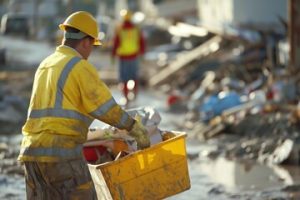
disaster cleanup

The first and most crucial step in disaster cleanup is safety assessment. After an event, properties may present numerous hazards, including weakened structures, exposed electrical wiring, contaminated water, or chemical residues. A trained cleanup team evaluates the entire site to identify risks, prioritize urgent interventions, and create a structured plan for remediation. This step ensures that both cleanup personnel and occupants are protected from harm and that further damage is prevented during the restoration process. In commercial settings, this assessment also helps businesses determine which areas can remain operational and which require temporary closure, minimizing disruption wherever possible.

Water damage and flooding are among the most common reasons businesses and homeowners call disaster cleanup services. Floodwaters can infiltrate walls, flooring, and ceilings, creating conditions conducive to mold and bacterial growth. Swift water removal and drying are essential to prevent secondary damage and to restore a safe environment. High-capacity pumps, dehumidifiers, and moisture monitoring tools allow professionals to address even deep saturation in commercial and residential spaces. In addition to immediate extraction, disaster cleanup teams often apply antimicrobial treatments to inhibit mold growth and disinfect affected areas, ensuring a thorough and lasting restoration.

Fire and smoke damage present another complex challenge for disaster cleanup professionals. Fire can compromise structural integrity, while smoke leaves behind residue and odors that penetrate walls, carpets, and ventilation systems. Cleanup efforts typically involve debris removal, soot and smoke extraction, surface cleaning, and odor neutralization. Advanced methods, such as thermal fogging and ozone treatments, are used to address embedded odors and restore indoor air quality. In commercial properties, mitigating smoke damage is particularly important, as lingering odors or compromised air systems can affect employee health and productivity, as well as customer perceptions.

Mold remediation is a critical component of disaster cleanup. Following water-related incidents, mold can develop rapidly, spreading through walls, ceilings, and HVAC systems. Exposure to mold spores can cause respiratory issues, allergic reactions, and long-term health problems, making professional remediation essential. Trained disaster cleanup teams contain affected areas, remove contaminated materials, and apply specialized treatments to prevent recurrence. By addressing mold promptly, property owners protect both the health of occupants and the structural integrity of the building.

Disaster cleanup services also focus on minimizing disruption and supporting rapid recovery. In commercial environments, prolonged downtime can lead to significant financial losses and operational setbacks. Professional teams often coordinate cleanup in phases, allowing businesses to resume operations in unaffected areas while restoration continues in damaged sections. This approach balances safety, efficiency, and continuity, enabling organizations to maintain service to clients, reduce revenue loss, and rebuild with minimal interruption.

Enumerating the primary advantages of professional disaster cleanup highlights the critical value it provides:

  1. Safety Assurance – Professionals identify and address hazards, ensuring the property is safe for occupants and staff.
  2. Comprehensive Damage Mitigation – Water, fire, smoke, and chemical hazards are treated with specialized equipment and methods.
  3. Health Protection – Mold, bacteria, and contaminants are removed to protect long-term health.
  4. Efficient Recovery – Timely response minimizes structural damage, financial loss, and operational downtime.
  5. Long-Term Restoration Support – Cleanup services often include coordination with reconstruction teams for complete property recovery.

Another key aspect of disaster cleanup is environmental and regulatory compliance. Certain types of disasters—such as chemical spills or sewage backups—require strict adherence to environmental safety standards and disposal regulations. Licensed cleanup professionals are trained to handle hazardous materials appropriately, ensuring that contaminated debris and wastewater are safely removed and disposed of. This not only protects the property and its occupants but also shields businesses from potential legal and regulatory consequences.

In addition to immediate cleanup, disaster recovery plans often include preventive strategies to reduce vulnerability to future events. These can include improving drainage systems, reinforcing structural elements, installing water detection sensors, or upgrading fire suppression and alarm systems. By combining responsive cleanup with preventive measures, property owners and business managers can enhance resilience, reduce the likelihood of repeated losses, and maintain operational continuity in the face of future challenges.

Communication and transparency are essential throughout the disaster cleanup process. Professional teams typically maintain detailed records of assessments, remediation activities, and restoration progress. For businesses, this documentation is valuable for insurance claims, compliance purposes, and internal reporting. Clear communication ensures that property owners understand the scope of damage, the steps being taken for restoration, and the estimated timeline for recovery, reducing stress and providing confidence that the situation is being managed effectively.

Disaster cleanup is not just about removing water, soot, or debris—it is about restoring stability, safety, and peace of mind. Property owners often face emotional and financial strain after a disaster, and professional cleanup teams provide support by addressing both visible and hidden damage efficiently. In doing so, they help people and organizations regain control of their environments, protect investments, and move forward with confidence.

The role of technology in disaster cleanup has grown significantly in recent years. Moisture detection sensors, thermal imaging cameras, air scrubbers, and automated drying equipment allow teams to assess damage more accurately, track progress, and ensure that remediation is thorough. Advanced chemical treatments and antimicrobial solutions improve the safety and durability of restored spaces. By leveraging technology, disaster cleanup professionals can achieve faster, more effective results while minimizing disruption and reducing the risk of recurring problems.

For commercial properties, disaster cleanup often involves coordinating with multiple stakeholders, including employees, management, contractors, and insurance providers. Experienced restoration teams facilitate this coordination, ensuring that cleanup, documentation, and repair efforts are aligned. This collaborative approach streamlines the recovery process, prevents miscommunication, and helps businesses resume operations as efficiently as possible. Additionally, the presence of trained professionals can reduce stress for property managers and owners, as the responsibility for complex remediation tasks is handled by experts who understand best practices and safety requirements.

Ultimately, disaster cleanup services serve as a bridge between immediate response and long-term recovery. They address urgent safety hazards, prevent secondary damage, and create conditions for efficient rebuilding and restoration. By investing in professional cleanup, property owners protect their assets, safeguard health, and maintain business continuity even in the face of unpredictable disasters. These services are a critical component of modern property management, offering not only technical expertise but also reassurance during challenging and stressful events.

In conclusion, disaster cleanup services are indispensable for both residential and commercial properties affected by water, fire, smoke, mold, or chemical incidents. Professional intervention ensures rapid, safe, and thorough remediation, minimizing the impact of disasters on property, finances, and occupants. By leveraging specialized tools, industry knowledge, and structured recovery protocols, cleanup professionals restore safety, stability, and functionality to damaged environments. Beyond immediate recovery, these services also support preventive strategies, health protection, and operational continuity, demonstrating that effective disaster management is both a practical and strategic investment.

For businesses and homeowners alike, the value of professional disaster cleanup lies in the combination of speed, expertise, and comprehensive care. These services reduce risks, accelerate recovery, and allow property owners to regain control of their spaces with confidence. Whether dealing with flooding, fires, mold, or hazardous debris, professional disaster cleanup provides the knowledge, equipment, and methodology necessary to restore properties efficiently and safely, ensuring long-term peace of mind and stability in the aftermath of unexpected events.