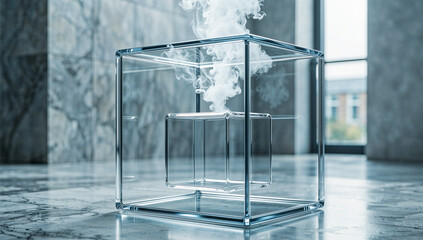
A shadow box is a deep framed enclosure with a transparent front, usually glass or acrylic, that holds objects set back from the surface. This depth allows items to be layered and positioned creatively rather than pressed flat. Shadow box designs can range from simple and minimal to detailed and elaborate, depending on the purpose and materials used.
Unlike standard frames, shadow boxes are designed to accommodate objects of varying sizes and shapes. This makes them ideal for displaying memorabilia, artwork, textiles, or dimensional crafts. The added depth creates visual interest and draws attention to the contents in a way that feels intentional and curated. Shadow Box Designs combine elements of framing, sculpture, and storytelling into a single display.
The Purpose and Appeal of Shadow Box Designs
The appeal of shadow box designs lies in their ability to preserve and present meaningful items in a protected and visually engaging way. They allow people to display objects that might otherwise be stored away in boxes or drawers.
Shadow boxes transform personal items into focal points. Wedding keepsakes, travel souvenirs, awards, family heirlooms, and artistic compositions can all be elevated through thoughtful design. The enclosure protects items from dust and damage while keeping them visible.
This balance between preservation and presentation is what makes shadow box designs so appealing.
Common Uses for Shadow Box Designs
Shadow box designs are used for a wide variety of purposes. One of the most common uses is memory preservation. Items such as medals, photographs, invitations, dried flowers, or clothing pieces can be arranged together to tell a story.
They are also popular for honoring achievements. Awards, certificates, uniforms, and memorabilia can be displayed in a way that highlights their significance. Shadow boxes are often used to commemorate milestones such as graduations, retirements, or service accomplishments.
In interior design, shadow boxes are used as decorative art. Designers create themed arrangements using objects, typography, and textures to complement a room’s style.
Shadow Box Designs for Personal Memories
Personal memory shadow boxes are among the most meaningful designs. These often include items tied to important life events such as weddings, births, anniversaries, or travels.
For weddings, shadow box designs may feature invitations, dried bouquet flowers, ribbons, and small accessories. Baby themed shadow boxes might include hospital bracelets, booties, and name plaques.
By arranging these items together, shadow box designs create a visual narrative that captures emotion and memory in a single frame.
Artistic and Decorative Shadow Box Designs
Shadow box designs are not limited to memorabilia. Many artists and designers use shadow boxes as a medium for creative expression. These designs may include layered paper art, typography, mixed media elements, or sculptural compositions.
Decorative shadow boxes can be abstract or thematic. Nature inspired designs might feature pressed plants, shells, or natural textures. Modern designs may use minimal objects, clean lines, and bold contrasts.
In home décor, shadow boxes add dimension to walls and shelves. They function as art pieces that stand out from flat prints or photographs.
Materials Used in Shadow Box Designs
The materials used in shadow box designs vary depending on the purpose and aesthetic. Frames are typically made from wood, metal, or composite materials. The backing surface may be fabric, paper, wood, or foam board.
Glass or acrylic fronts protect the contents while allowing clear visibility. Acrylic is often chosen for lighter weight and safety, especially for larger pieces.
The objects inside the shadow box can range from paper and fabric to metal, wood, or organic materials. Choosing compatible materials ensures durability and visual harmony.
The Importance of Depth and Layout
Depth is the defining feature of shadow box designs. Designers must consider how far objects sit from the backing and from each other. Layering creates visual interest and guides the viewer’s eye through the composition.
Layout planning is essential. Designers often arrange items before securing them, experimenting with spacing, balance, and alignment. Negative space is just as important as the objects themselves, preventing the design from feeling cluttered.
A well planned layout enhances clarity and ensures that each item contributes to the overall story.
Color and Texture in Shadow Box Designs
Color plays a key role in shadow box designs. Background colors set the tone and can either highlight or soften the objects on display. Neutral backgrounds are common for memory focused designs, while bold colors may be used for artistic pieces.
Texture adds depth beyond physical space. Fabric backings, textured papers, or natural materials create contrast and richness. Combining smooth and rough textures enhances visual interest.
Thoughtful use of color and texture helps unify the design and reinforce its theme.
Customization and Personalization
Customization is one of the greatest strengths of shadow box designs. Each piece can be tailored to individual preferences, themes, and stories. Personalized text, dates, names, or quotes can be incorporated to add meaning.
Custom shadow boxes are often created as gifts. They offer a deeply personal alternative to traditional framed photos. The ability to include real objects makes the gift unique and emotionally resonant.
Personalization ensures that no two shadow box designs are exactly alike.
Shadow Box Designs for Professional and Commercial Use
Beyond personal use, shadow box designs are used in professional and commercial settings. Retail displays may use shadow boxes to showcase products or brand stories. Museums and galleries use them to protect and present artifacts.
Corporate environments sometimes use shadow boxes to display awards, company history, or milestones. These designs add character to office spaces and communicate values visually.
In these settings, durability and clarity are especially important, and designs often follow branding guidelines.
Preservation and Protection Considerations
One of the key benefits of shadow box designs is preservation. Proper construction protects items from dust, handling, and environmental damage. However, preservation requires careful material choices.
Acid free backing materials and UV protective glass help prevent fading and deterioration, especially for paper and textiles. Secure mounting prevents items from shifting over time.
When designed thoughtfully, shadow boxes can preserve memories and objects for many years.
Shadow Box Designs as Storytelling Tools
At their core, shadow box designs are storytelling tools. Each item included represents a moment, emotion, or idea. Together, they form a narrative that can be understood at a glance or explored in detail.
Effective storytelling through shadow boxes requires intention. Designers choose items not just for appearance but for meaning. The arrangement guides viewers through the story in a logical and emotional way.
This storytelling aspect is what makes shadow box designs so powerful and engaging.
Choosing or Creating the Right Shadow Box Design
Choosing the right shadow box design starts with understanding the purpose. Is it meant to preserve a memory, decorate a space, or communicate a message. The answer guides decisions about size, style, and materials.
Creating a shadow box requires patience and planning. Taking time to test layouts, select appropriate materials, and secure items carefully leads to better results.
Whether purchased or handmade, a well designed shadow box reflects thoughtfulness and care.
Shadow Box Designs and Emotional Connection
Shadow box designs often carry strong emotional value. Seeing meaningful objects arranged thoughtfully can evoke memories and feelings more vividly than photographs alone.
They serve as visual reminders of experiences, relationships, and achievements. This emotional connection makes shadow boxes cherished possessions rather than simple decorations.
By preserving tangible pieces of life, shadow box designs help people reconnect with what matters most.
Final Thoughts on Shadow Box Designs
Shadow box designs offer a creative and meaningful way to display objects that tell stories, preserve memories, and enhance spaces. Their depth, versatility, and customization set them apart from traditional frames.
Whether used for personal keepsakes, artistic expression, or professional display, shadow box designs combine functionality with emotional impact. They transform ordinary objects into lasting visual narratives.
As a blend of art, memory, and craftsmanship, shadow box designs continue to be a timeless and powerful way to showcase what is truly meaningful.