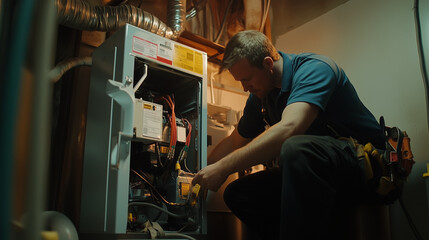
A well-maintained HVAC system operates more efficiently, resulting in lower energy bills. It also helps prevent expensive repair costs.
Standard maintenance tasks like changing air filters and cleaning coils reduce airflow resistance, allowing the system to cool more effectively with less energy. In addition, routine inspections catch small issues before they snowball. Visit https://garnettair.com/ to learn more.
Improved Energy Efficiency
Your HVAC system is one of the most expensive components in your home, so it makes sense to keep it running smoothly and efficiently. However, many homeowners fail to schedule regular maintenance, which can cause your system to work harder than it should. In addition, improper maintenance can void your warranty, which could lead to costly repairs or replacements.
A properly-maintained HVAC system uses less energy to heat and cool your home, which reduces your carbon footprint and lowers your utility bills. Simple tasks such as replacing air filters, cleaning outdoor condenser coils, and ensuring the thermostat is set to optimal settings can improve efficiency by up to 15%.
HVAC maintenance also helps to extend the life of your equipment. Regular check-ups can help to identify and repair minor issues before they escalate into major problems that require emergency repairs or a system replacement. For example, a technician might notice that a belt is slightly worn during a routine inspection and replace it immediately. This prevents the belt from wearing out completely, which would lead to a shutdown and expensive repair costs.
The cost of regular HVAC maintenance is often much less than the cost of repairs or replacements, and it can save you a significant amount of money in the long run. In fact, some experts estimate that neglecting HVAC maintenance costs homeowners more than $2,000 per year in wasted energy.
Think of it like marathon training for your commercial heating and cooling equipment. You wouldn’t send a runner out on a 26-mile run without some training, stretching, and checking their shoes, so why expect your HVAC system to push through Massachusetts’ hot summers and frigid winters without a tune-up?
Extends the Life of Your Equipment
Performing routine maintenance helps HVAC systems last longer. This is because small tasks, like replacing air filters and cleaning coils, reduce stress on components and cut energy waste. In fact, the Department of Energy states that routine service can extend the lifespan of a system by up to 30%.
The same goes for business owners who invest in commercial HVAC maintenance. A consistent approach to servicing wards off unscheduled repairs and prevents the steep costs associated with emergency repair situations. This creates operational continuity, enhances employee satisfaction and efficacy, and maximizes return on investment.
Most heating and cooling problems develop slowly. In many cases, they don’t show any noticeable symptoms until the equipment breaks down completely. This can be costly, especially during extreme temperatures. Simple maintenance tasks, such as system tune-ups, detect and address these problems before they escalate.
Consistent HVAC maintenance also helps protect equipment warranties. Many manufacturers require proof of regular maintenance to honor warranty coverage. This ensures that your system operates at optimal conditions, and that you’re not paying out-of-pocket for repairs that would otherwise be covered by the manufacturer’s warranty.
HVAC systems are significant investments that can last up to 20 years. However, neglecting maintenance diminishes their lifespan and increases the likelihood of costly breakdowns. Performing regular maintenance, as recommended by the manufacturer, is the best way to keep your investment safe.
Prevents Breakdowns
The best way to avoid costly breakdowns is to schedule maintenance. During routine tune-ups, HVAC professionals clean and lubricate moving parts to prevent friction damage, inspect electrical connections for potential short circuits, check refrigerant levels and system calibration, and perform other diagnostic services that reduce the risk of a sudden catastrophic failure. A well-maintained system also lasts 5-10 years longer than neglected equipment, lowering operating costs and eliminating replacement costs.
On the flip side, a poorly maintained system consumes more energy, increasing utility expenses. According to green building research, neglected systems experience up to 30% reductions in operational efficiency, significantly impacting utility costs and resulting in unexpected repair bills. Ignoring maintenance transforms small mechanical issues into massive breakdowns, often requiring equipment replacement and disrupting property operations.
Aside from saving on energy costs, routine HVAC maintenance helps to protect indoor environmental quality. Dirty air filters, clogged ductwork, and other problems create breeding grounds for harmful microorganisms that can exacerbate respiratory irritants, particularly in individuals with sensitivities or allergies. By ensuring clean air circulation and healthy indoor environments, property owners improve living and working conditions for their residents.
In addition, regular service helps to boost resale value. A documented history of regular maintenance can reassure buyers that the system has been properly cared for and is ready to deliver efficient performance. This is an important factor in a time when many people are facing rising energy costs and the fear of high home prices.
Prevents Leaks
An old saying applies to HVAC maintenance: “An ounce of prevention is worth a pound of cure.” Rather than waiting for an emergency repair or replacement, scheduling yearly maintenance is the best way to protect your investment. It’s far more affordable than a system replacement or expensive energy bills.
An important benefit of maintenance is the reduction of wasted energy. Dirty components and airflow problems cause systems to work harder to heat or cool, increasing electricity consumption. Regular cleanings and inspections can help keep HVAC systems running more efficiently, lowering electricity costs and helping to lower utility bills.
During maintenance, technicians check for signs of refrigerant leaks and clogged condensate drain lines. Unaddressed leaks increase HVAC energy consumption and can lead to expensive repairs and damage to your property. In addition, clogged condensate drain lines can overflow into indoor environments, leading to significant moisture damage and creating an environment that promotes mold growth, which can pose health risks. Leaks and clogs are easy to prevent with regular maintenance.
Another way in which HVAC maintenance saves money is by extending the lifespan of your equipment. Regular cleaning and inspections reduce the wear and tear that can occur on a system, leading to premature aging and early failure. Keeping the system in good condition can extend its lifespan by as much as 30%, which can significantly cut your upfront costs. Also, maintenance ensures that your system remains in good standing with any manufacturer warranties. Many manufacturers require proof of regular maintenance to maintain coverage, so skipping routine servicing could void your warranty.
Reduces Indoor Air Quality
During routine maintenance, technicians replace filters, check electrical connections and clean sensors to ensure proper function. They also catch problems that might snowball into costly repairs down the road. For example, a loose belt or weak capacitor may seem insignificant, but left unchecked they could lead to system failures that require a costly repair. In some cases, such problems may even void your warranty.
Another way in which regular HVAC maintenance saves money is by reducing indoor air pollutants and keeping the home healthy and comfortable. Dust mites, pet dander, and seasonal pollen are common indoor air contaminants that increase when airflow is stagnant or filtration is poor. HVAC on Indoor Air Quality effectively reduces these impurities, ensuring cleaner, more breathable air.
A reliable HVAC system also helps keep humidity levels in balance. Too much moisture can foster mold and mildew, while too little moisture exacerbates respiratory issues. Regular maintenance ensures that the system properly balances indoor and outdoor temperatures to maintain a healthy living environment for homeowners in York, PA.
Replacing an HVAC system is a huge expense, but keeping yours running efficiently through regular maintenance can help you delay the investment for years to come. In addition, a well-maintained system will use less energy, cost less to operate, and last longer than neglected systems.
Skipping HVAC maintenance is like ignoring the oil light on your car—it might work for awhile, but eventually your system will fail and you’ll pay the price with an expensive repair bill. Instead, schedule routine maintenance twice a year—once in spring before cooling season and once in fall before heating season. It’s the smartest, cheapest choice for your comfort and wallet.
